
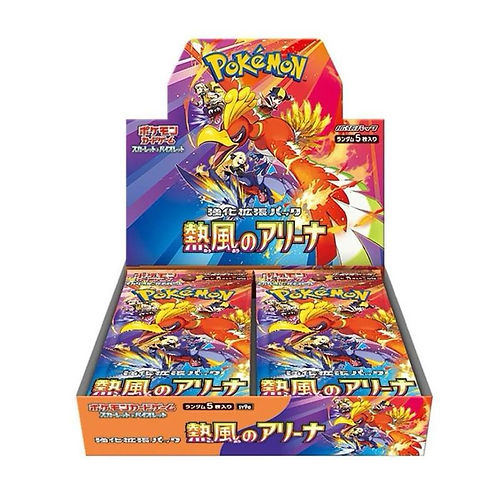
“Should I buy Japanese or English?” is hands-down the question we field most — and the honest answer is that neither wins outright. They’re both great. They’re just great for different collectors. Here’s how to tell which camp you’re in.
The case for Japanese. They’re usually cheaper than the English equivalent, the pull rates have historically run a touch more generous, and Japan gets new sets first — sometimes months ahead. Then there’s the print quality: centering and consistency on Japanese cards are famously clean, which matters enormously if you’re chasing high grades. The trade-offs? Fewer packs per box (around 30 versus 36), the cards aren’t legal in official English-language events, and the set structures don’t map one-to-one with the English releases, so there’s a small learning curve.
The case for English. If you play in sanctioned tournaments, this is non-negotiable — English is what’s required for most organized play here. It also has the deepest resale market in the West, so both sealed and singles are easier to move when you want to. And you get the bigger box: 36 packs and the familiar set layout you already know.
Boil it down like this: opening for fun or hunting graded gems on a budget points you toward Japanese. Playing competitively or wanting the easiest resale points you toward English. Plenty of collectors we know simply do both — rip Japanese for the joy of it, tuck English away sealed. There’s no wrong answer here, just the one that fits how you collect.
We stock both, including Japanese booster boxes and packs right alongside the English lineup. Browse what’s in stock — all authentic, sold and shipped by us.


